

Did you know that Otis Redding’s (Sittin’ On) the Dock of the Bay was a posthumous release? It came out after Redding’s death in 1968 in a plane crash. It became the first posthumous single to top U.S. charts.
The whole topic of posthumous anything spooks me out. The word posthumous means “occurring, awarded, or appearing after the death of the originator.” This means whatever art has been released was released after the artist has died. This practice has become very popular with any singer (although I don’t see it as popular when it comes to books, except for the author of A Confederacy of Dunces—John Kennedy Toole), from record companies who, in my opinion, get a few bucks and profits on the singer’s unreleased material in the wake of their just announced deaths.But I think we’re starting to see a few new things here. We’re seeing something I eagerly call memory preservation.
Follow me through here. With the installment of Tupac’s 2012 Coachella hologram, I watched something I never thought was possible. I saw human beings put time, effort, and realism into a caricature of who used to be. Don’t we all do this in a smaller scale, in our personal lives?
When a family member dies, we talk about them. We share memories and how we always remembered their personalities. We tell stories and pass down arrifacts. We acknowledge greatly that humans have the capability to be remembered generations and generations beyond their passing.
However, this kind of preservation is healthy, in my opinion, when we are using it correctly. To preserve a memory. Not to resurrect any chances at grabbing quick cash from young, posthumous fans.
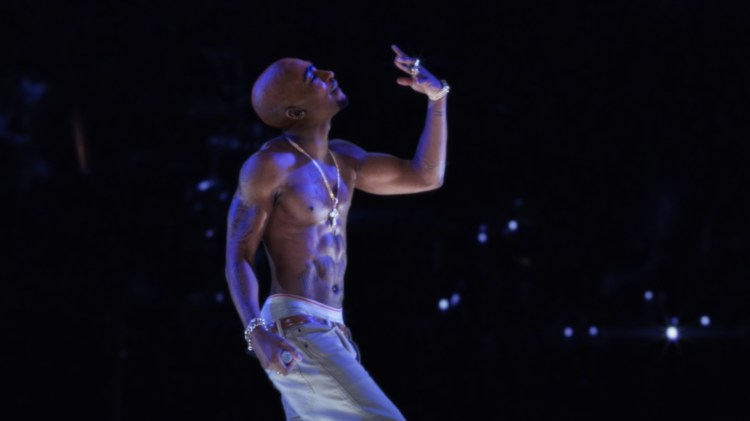
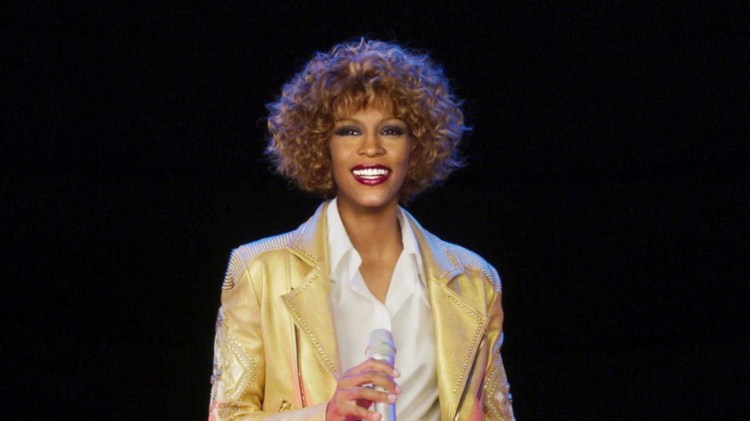
I knew the Tupac hologram wasn’t real. But I still enjoyed it despite being spooked at it’s “realness”. I mean, you could tell that no human is a blueish-gray tint, and no human slides on stage weirdly like that. But it was an awesome attempt at sharing Tupac’s memory to new fans who just picked a new CD of his after reading about him in a library book about hip-hop or hearing that one of their favorite rappers were inspired by him. I know it’s not real. It is not meant to be real. In the words of Timothy Snell, “costumier” for Whitney Houston’s hologram hitting stages earlier this year; “It’s not for everybody, but you’re not looking at Whitney Houston. You’re looking at an experience.”
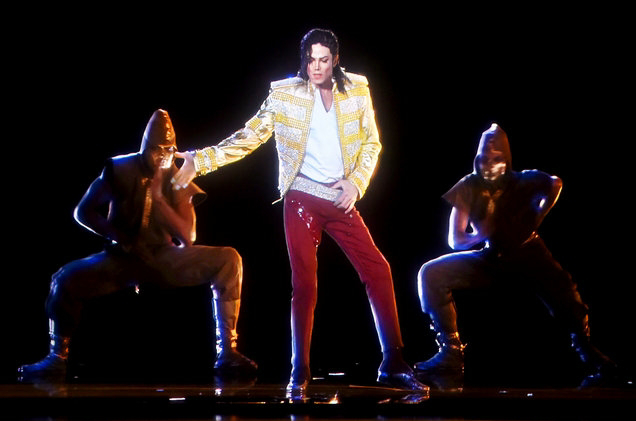
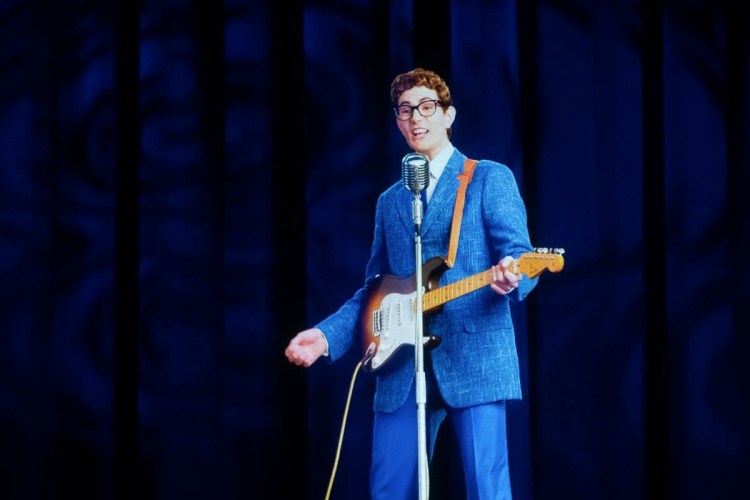
When I became a fan of Michael Jackson, he was already deceased. So seeing a digitally-reimagined version of him performing at the 2014 Billboard Awards ignited in me excitement and hope. People my age probably aren’t too up in arms about “posthumous” anythings. They CGI’d Paul Walker into Furious 7 and it’s normal to expect that after a mainstream artist dies, there will be an album/single pumping out. Unfortunately, not everyone in charge of an artist’s art will consider the memory of the deceased in their decision making process. But, I’ll say—open to skepticism—that the holograms of Buddy Holly (who was very cute!), Roy Orbison, Whitney Houston and Michael Jackson were in good respects. A nod to their creativity. A memory preservation; a beautiful way to educate future generations on their genius the same way a mother plays music she used to listen “back in the day” for her children.
Now, the album Michael, released a year after Michael Jackson’s death, was a total abomination.
In 2014, eight years after its release, there was a class action lawsuits filed against Sony, the Michael Jackson estate and the producers involved in the making of the album (Frank Cascio, Teddy Riley, James Porte, and Angelikson Productions) by Vera Serova on the grounds of three of the eight recorded songs (I can recall them vibrantly—Breaking News, Keep Your Head Up and Monster) not originally being sung by Michael. Sony and the MJJ estate basically pulled a “I don’t know and I’m not sure” and dodged any rightfully-theirs consequences. As for the producers, the case is still pending for them.
Rolling Stone shared in 2018 on an article titled It’s Not Sony’s Fault If It Sold Fake Michael Jackson Songs: “On Tuesday, the panel of judges said that because the two parties did not know for sure whether it was Jackson singing on the songs, the album’s promotional materials and cover were not strictly claims about the contents of a commercial product, and thus are not eligible for the commerce-specific claims that Serova brought against them in the class-action suit.”
As catchy as the songs—even the fake ones—were on Michael, I must admit that we all knew those songs were fake; there was no way you could miss it. We knew Jason Malachi was up in there sweating trying to get those notes just right. He tried his best. But fans who have dedicated time and money on MJ know an impersonator when we see one.
I don’t know how MJJ estate and Sony got away with taking MJ’s voice with nothing. Not even a slap on the wrist. But nonetheless, that is an example of a terrible way to do a posthumous album. At least make sure all the songs are sung by the deceased. And for God’s sake, be honest.I have already listened to several posthumous albums thanks to Michael Jackson’s estate. But one day, I would like to attend a hologram concert. I will pay money and spend time watching a hologram sing and perform. And I will be proud of this. And I will write about this on this blog. (There you go. I’m speaking it into existence.) All because I am willing to preserve the memories of these great legends. I would love to experience some good old classic music through the closest thing we have to a live performance: a hologram.
My name is Shanedra Smith and I support posthumous albums/things. Hopefully, I see more of them in the future.

This work is licensed under a Creative Commons Attribution 4.0 International License.
Copyright © That Research Life 2020. All Rights Reserved.

 Shanedra Writes Too Much